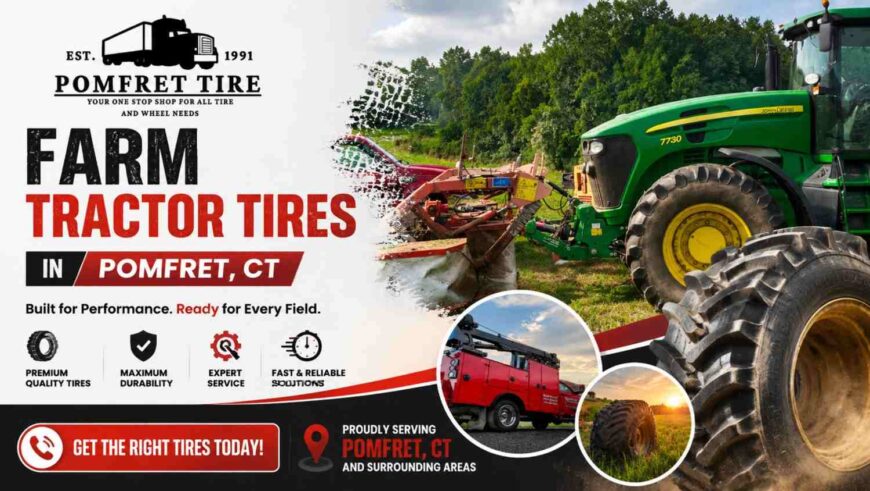

Worn treads, split sidewalls, and that tractor that keeps sliding when the field gets wet. If you have seen this before, it may be time to quit the quick fixes and take tire buying more seriously. A Farm Tractor Tires in Pomfret, CT it can be hard to just pick up farm tractor tires off a shelf. The right tire depends on where you drive, what kind of tractor you use, and what you do every day.
This guide talks about the key points for swapping tractor tires. It covers the tread pattern, the tire size, the ply rating, and how your local ground changes what you should choose. A lot of people miss that part at first, so it helps to read the details.
Once you get to the end, you will have a clear set of questions to ask. You will also know which common errors to steer clear of. Then you can pick tires that last for the work you do.
Why Worn Tractor Tires Cost More Than They Seem To
A tire can look okay and still be draining your wallet. You might not spot the problem right away. When grip drops, the car can slip more. That usually means the engine works harder, and you end up using more fuel. Over time, extra load also hits the drivetrain.
Tread that wears in odd spots can be a sign of wrong tire pressure or poor alignment. If you ignore it, the next tires can wear out just as fast as the current ones. When tread gets too shallow, driving in wet or rough hills feels tougher. In some cases, it becomes a real safety issue.
Waiting too long to replace tires rarely saves money in the long run. It usually just shifts the cost toward fuel, repairs, and lost time in the field.
Understanding Tread Types and What They’re Actually Built For
Tractor tires aren’t one-size-fits-all, and tread pattern matters more than most first-time buyers realize.
- R-1 tread is the standard choice for general row-crop farming, offering solid traction across most soil types.
- R-1W tread goes deeper than standard R-1, built for wet or muddy conditions common in low-lying fields.
- R-2 tread is designed for rice paddies or consistently flooded ground, with an aggressive lug pattern for maximum grip.
- R-3 turf tread works best on lawns, orchards, or anywhere soil disturbance needs to stay minimal.
- R-4 industrial tread suits loader work and general utility use rather than field farming specifically.
Matching tread type to actual use matters. A turf tire on hard field work gets worn quickly and it does not grip well.
An aggressive lug tire on a trimmed lawn can tear up the surface.
Key Factors That Affect Performance and Longevity
A tire is more than just the tread. How it is built can change the way the tractor rides and how long the tire keeps going. First, check the tire size you have. You want the size meant for your tractor. If it is off, you might not get the clearance you need. Over time, a poor fit can also add stress to parts that sit in the drivetrain.
After that, look at the ply rating. This rating tells you the safe load limit for the tire. If you use heavier equipment or haul loads often, you will usually need a higher ply rating. For light work, a lower rating may be enough.
Radial versus bias-ply construction is worth weighing as well. Radial tires generally offer a smoother ride and better fuel efficiency, though bias-ply tires tend to cost less upfront and hold up well under certain heavy-duty conditions. Air pressure, meanwhile, affects everything from traction to fuel consumption, so checking it regularly makes a real difference in how long a set of tires lasts.
How Local Soil and Terrain Shape the Right Choice – Farm Tractor Tires in Pomfret, CT
In parts of Connecticut, the ground does not stay the same. You can find rocky patches with rough spots. In other places, the soil gets softer and holds more water, mainly after strong storms.
Because of that, tire choice in Pomfret is not something to rush. A Farm Tractor Tires in Pomfret built for flat, dry fields can struggle once the conditions shift.
On rough ground, the sidewalls take a lot more hits. They wear out faster when stones get involved. So it is smart to choose tires that add extra shields for that kind of work.
In low areas that keep water after storms, traction is a different issue. Tires with deeper tread usually work better there, since they are made for mud and standing water.
Seasonal changes add another layer. A setup that works fine in dry summer conditions might struggle considerably come a wet spring, so some farms benefit from having a secondary set of tires suited to different times of year.
Why Professional Fitting Makes a Bigger Difference Than Expected
Buying the right tire is only part of the equation. Improper mounting or incorrect inflation can undercut even a well-chosen tire’s performance right from the start.
A few reasons professional installation is worth the extra step:
- Technicians catch sizing or compatibility issues before they become expensive problems
- Proper mounting reduces the risk of premature sidewall damage
- Correct inflation gets set based on your specific equipment and typical load
- Old tires get disposed of properly, which some DIY setups overlook entirely
Skipping professional fitting to save a bit of money often ends up costing more once uneven wear or a mounting error shows up a few months down the line.
What to Ask Before You Buy – Farm Tractor Tires in Pomfret, CT
A little research before purchasing saves both money and hassle later. Consider asking any supplier these questions before committing to a set:
- What tread pattern fits my specific soil type and typical field conditions?
- Is this the correct ply rating for the loads I’m actually hauling?
- Do you offer mounting and balancing as part of the purchase?
- What’s the warranty, and does it cover sidewall damage from rocky terrain?
Getting straight answers to these questions upfront tends to reveal a lot about whether a supplier actually knows the local farming conditions or is just moving inventory.
Why Farmers Trust Pomfret Tire for Equipment Needs
Farm Tractor Tires in Pomfret has worked with farms in the area for years. We know what the local ground is like, not just what a chart says. We also pay attention to what survives real field work. That background guides how we talk with customers. We start that help before a tire is even put on.
Customers get honest, straightforward guidance throughout the buying process. Recommendations are based on how equipment actually gets used, not just whatever happens to be sitting in stock that week.
A few reasons local farmers keep coming back:
- Deep familiarity with regional soil types and seasonal conditions
- A wide selection covering tread types for nearly any farm application
- Professional mounting and balancing done right, every time
- Honest pricing with no pressure to buy more than what’s needed
Trust here comes from a track record, tires that perform as promised, season after season, on the same ground local farmers work every day.
Final Thoughts on Choosing the Right Tires – Farm Tractor Tires in Pomfret, CT
Swapping tractor tires should not be something you rush. What is under the vehicle matters. So does the tire tread. The way the tire sits on the rim matters as well. If these parts do not match, you may feel the grip slip. You may also notice the tire wearing out sooner. Take a few minutes to choose Pomfret Tire that fit your needs. You can end up with more steady traction. You can also avoid more problems when you are working. And the tires should last longer.
If your current set is showing its age, looking into Farm Tractor Tires in Pomfret sooner rather than later can save you a rough season out in the field. A little planning now goes a long way once the ground turns wet or the workload picks up.


